

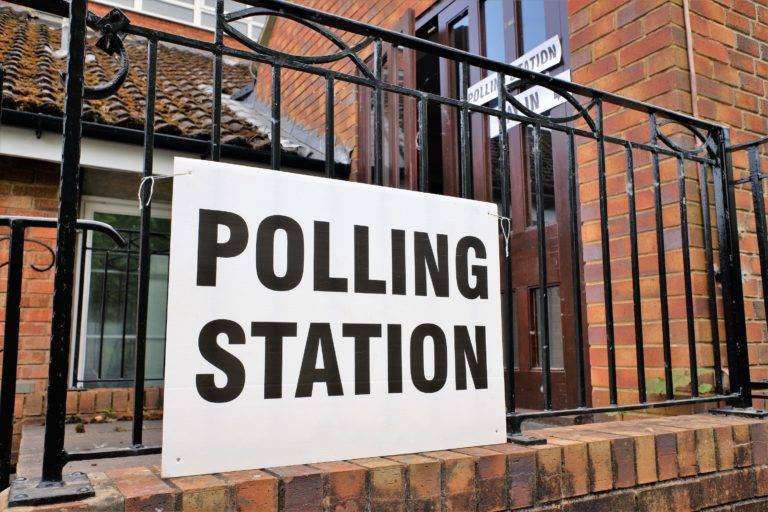
As the UK gears up for its next election, many homeowners and prospective buyers are wondering how the results could affect their mortgages. Elections often bring policy changes, economic shifts, and market reactions that can significantly influence the housing market and mortgage rates. Here’s a look at the potential impacts of the upcoming UK election on mortgages.
1. Interest Rates and the Bank of England
One of the primary factors affecting mortgages is the Bank of England’s base interest rate. Election outcomes can influence the central bank’s monetary policy. Different political parties may prioritize various economic strategies, such as controlling inflation, stimulating growth, or addressing unemployment. These strategies can lead to adjustments in the base interest rate, which in turn affects mortgage rates.
- If Interest Rates Rise: A government focused on curbing inflation might support higher interest rates. This could lead to increased mortgage rates, making borrowing more expensive and monthly payments higher for variable-rate mortgages.
- If Interest Rates Fall: Conversely, a government aiming to stimulate the economy might support lower interest rates, potentially reducing mortgage rates and making home loans more affordable.
2. Housing Policies
Political parties often have distinct housing policies that can affect the supply and demand dynamics of the housing market. These policies can impact mortgage availability, affordability, and overall market stability.
- Affordable Housing Initiatives: Parties that prioritize building more affordable housing can help increase the housing supply. This could stabilize or even lower house prices, making mortgages more accessible to first-time buyers.
- Homeownership Support: Initiatives like Help to Buy or shared ownership schemes can make it easier for individuals to get on the property ladder, influencing mortgage demand and availability.
3. Economic Stability and Market Confidence
Elections can lead to periods of economic uncertainty, which can affect the housing market and mortgage industry. Political stability and confidence in the new government’s economic policies can either positively or negatively impact market conditions.
- Increased Stability and Confidence: A clear and decisive election result that fosters economic stability can boost market confidence, potentially leading to more favorable mortgage conditions.
- Uncertainty and Volatility: Conversely, a contentious or inconclusive election result can lead to market volatility and economic uncertainty, which might result in stricter lending criteria and higher mortgage rates as lenders seek to mitigate risks.
4. Regulatory Changes
Elections can bring about regulatory changes that impact the mortgage industry. Different political parties may propose varying levels of regulation for financial institutions, impacting how mortgages are issued and managed.
- Tighter Regulations: Increased regulations might mean more stringent lending criteria, making it harder for some individuals to qualify for mortgages.
- Relaxed Regulations: Conversely, easing regulations might make it easier to obtain a mortgage, but could also increase risks if lending standards are lowered too much.
5. Tax Policies
Changes in tax policies, such as stamp duty, capital gains tax, or property taxes, can also influence the housing market and mortgage decisions.
- Stamp Duty Changes: Adjustments to stamp duty can affect housing affordability and the overall demand for mortgages. For instance, a reduction in stamp duty for first-time buyers can stimulate market activity.
- Property Tax Reforms: Changes in property taxes can impact the cost of owning a home, influencing mortgage affordability and market dynamics.
Conclusion
The UK election’s outcome can have far-reaching implications for the mortgage market, affecting interest rates, housing policies, economic stability, regulatory environments, and tax policies. Homeowners and prospective buyers should stay informed about the political landscape and consider how different election results could impact their mortgage options. Consulting with financial advisors and mortgage brokers can provide valuable insights and help navigate any changes in the housing market post-election.
All the information in this article is correct as of 01/07/2024. The opinions expressed in this publication are those of the authors. The information provided in this article, including text, graphics and images does not, and is not intended to, substitute advice; instead, all information, content and materials available in this article are for general informational purposes only. Information in this article may not constitute the most up-to-date legal or other information.