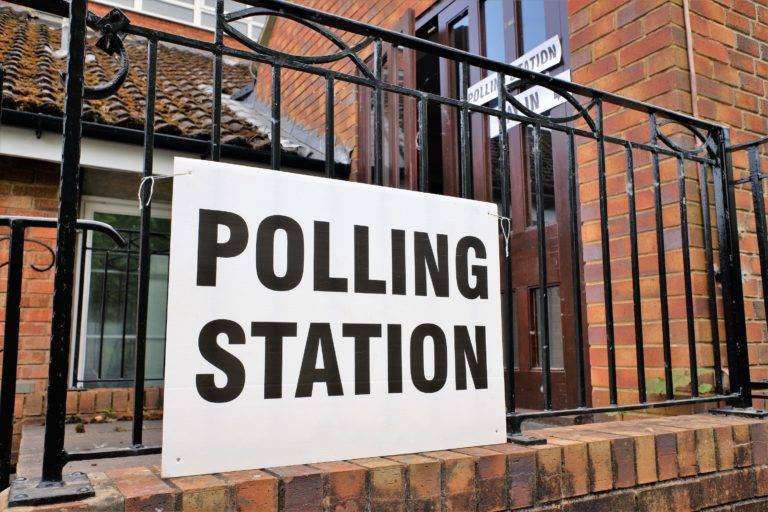
As the UK gears up for its next election, many homeowners and prospective buyers are wondering how the results could affect their mortgages. Elections often bring policy changes, economic shifts, and market reactions that can significantly influence the housing market and mortgage rates. Here’s a look at the potential impacts of the upcoming UK election on mortgages.
1. Interest Rates and the Bank of England
One of the primary factors affecting mortgages is the Bank of England’s base interest rate. Election outcomes can influence the central bank’s monetary policy. Different political parties may prioritize various economic strategies, such as controlling inflation, stimulating growth, or addressing unemployment. These strategies can lead to adjustments in the base interest rate, which in turn affects mortgage rates.
If Interest Rates Rise: A government focused on curbing inflation might support higher interest rates. This could lead to increased mortgage rates, making borrowing more expensive and monthly payments higher for variable-rate mortgages.
If Interest Rates Fall: Conversely, a government aiming to stimulate the economy might support lower interest rates, potentially reducing mortgage rates and making home loans more affordable.
2. Housing Policies
Political parties often have distinct housing policies that can affect the supply and demand dynamics of the housing market. These policies can impact mortgage availability, affordability, and overall market stability.
Affordable Housing Initiatives: Parties that prioritize building more affordable housing can help increase the housing supply. This could stabilize or even lower house prices, making mortgages more accessible to first-time buyers.
Homeownership Support: Initiatives like Help to Buy or shared ownership schemes can make it easier for individuals to get on the property ladder, influencing mortgage demand and availability.
3. Economic Stability and Market Confidence
Elections can lead to periods of economic uncertainty, which can affect the housing market and mortgage industry. Political stability and confidence in the new government’s economic policies can either positively or negatively impact market conditions.
Increased Stability and Confidence: A clear and decisive election result that fosters economic stability can boost market confidence, potentially leading to more favorable mortgage conditions.
Uncertainty and Volatility: Conversely, a contentious or inconclusive election result can lead to market volatility and economic uncertainty, which might result in stricter lending criteria and higher mortgage rates as lenders seek to mitigate risks.
4. Regulatory Changes
Elections can bring about regulatory changes that impact the mortgage industry. Different political parties may propose varying levels of regulation for financial institutions, impacting how mortgages are issued and managed.
Tighter Regulations: Increased regulations might mean more stringent lending criteria, making it harder for some individuals to qualify for mortgages.
Relaxed Regulations: Conversely, easing regulations might make it easier to obtain a mortgage, but could also increase risks if lending standards are lowered too much.
5. Tax Policies
Changes in tax policies, such as stamp duty, capital gains tax, or property taxes, can also influence the housing market and mortgage decisions.
Stamp Duty Changes: Adjustments to stamp duty can affect housing affordability and the overall demand for mortgages. For instance, a reduction in stamp duty for first-time buyers can stimulate market activity.
Property Tax Reforms: Changes in property taxes can impact the cost of owning a home, influencing mortgage affordability and market dynamics.
Conclusion
The UK election’s outcome can have far-reaching implications for the mortgage market, affecting interest rates, housing policies, economic stability, regulatory environments, and tax policies. Homeowners and prospective buyers should stay informed about the political landscape and consider how different election results could impact their mortgage options. Consulting with financial advisors and mortgage brokers can provide valuable insights and help navigate any changes in the housing market post-election.
All the information in this article is correct as of 01/07/2024. The opinions expressed in this publication are those of the authors. The information provided in this article, including text, graphics and images does not, and is not intended to, substitute advice; instead, all information, content and materials available in this article are for general informational purposes only. Information in this article may not constitute the most up-to-date legal or other information.
If you are in debt, or have a family member who is, it can be the loneliest place to be and no matter how resilient you are, eventually it will wear you down. However, there are strategies you can adopt to alleviate the situation and get yourself back on track.
Talk to someone. Acknowledging the burden and seeking help is the first step towards breaking out of the frightening spiral. A professional debt adviser can help you discover your options. There are a number of different organisations such as Citizens Advice Service (www.citizensadvice.org.uk) and the National Debtline (www.nationaldebtline.org) who can offer immediate support with advice.
Make a list of your debts. Open any correspondence that you have been ignoring and tally up everything you owe. Decide, with help from the organisations above, which debts are most pressing and prioritise them.
Be proactive. Get in touch with those companies to whom you owe money. Not only will it help you feel more in control, but it gives you a chance to seek an agreed payment plan to pay a set amount per month that you can afford and start reducing your debt.
See what you’re entitled to. If your income has been reduced because of the loss of your job for example, there may be benefits that you are entitled to claim that could help your situation. Organisations such as Moneyhelper (www.moneyhelper.org.uk/en/benefits), provided by HM Government, can show you what you can get and how to apply.
Debt Respite Scheme (Breathing Space) – You can get temporary respite in England & Wales from creditors for up to 60 days by applying via a debt adviser. They cannot add interest or charges to your debt, or contact you, and no enforcement action can be taken against you during the ‘breathing space’. Find out more about it here –https://www.gov.uk/options-for-dealing-with-your-debts/breathing-space
If you’re struggling with debt, don’t suffer in silence. There are organisations out there specifically to help you, and if you need assistance, we can help to point you in their direction – just let us know.
Think carefully before securing other debts against your home. Your home may be repossessed if you do not keep up repayments on a mortgage or other debt secured on it.
Please be aware that by clicking on to any of the above links you are leaving our website. Please note that neither we nor HL Partnership Limited are responsible for the accuracy of the information contained within the linked site(s) accessible from this page.
All the information in this article is correct as of the publish date 27th June 2024. The opinions expressed in this publication are those of the authors. The information provided in this article, including text, graphics and images does not, and is not intended to, substitute advice; instead, all information, content, and materials available in this article are for general informational purposes only. Information in this article may not constitute the most up-to-date legal or other information.
Have you got someone in the family who’s just a driving test away from qualifying to drive? If you have, you will probably be aware that passing the driving test is not the only barrier to being able to take to the roads alone.
If you haven’t done so already, looking at insurance for your newly fledged driver is likely to be a distinctly gut-wrenching exercise. Even if they have saved enough money for a first car, the cost of insurance for the first year could be as much as the cost of the car itself in some cases.
Recent figures from Confused.com suggest that the average cost of insurance for someone aged 18 years old is as much as £3,162 per year – and furthermore, drivers aged between 17-20 years old have seen average insurance costs rise by more than £1,000 compared to figures from 2023.1
Is there a cheaper option?
For parents, adding their son or daughter to their own car insurance policy is an option, although there are two important factors to consider.
Firstly, having a new and inexperienced driver on a policy may increase the price – so mum and dad should be prepared to see their own insurance premium rise.
Secondly, if the new driver is listed as a named driver on someone else’s policy, they can’t be the main driver. Putting children on your insurance with the intent of them using the vehicle as their own and driving it for the majority of the time can be considered ‘fronting’.2
Fronting is illegal and is seen as a method of fraud. If you’re suspected of fronting, your car insurance could be declared void as a result.2
However, here’s five practical tips that may help reduce the cost of new driver insurance:
1. Setting a higher claims excess
By increasing the voluntary excess amount that is paid towards a repair in the event of a claim, new drivers may be able to help reduce their overall premiums – but it’s important that they’re able to afford to pay out the initial excess before deciding to do this.
2. Opting for insurance with ‘black box’ telematics
New drivers may be able to save money on their insurance through the use of a telematics box, installed by the insurance company to monitor driver behaviour and reward safe and responsible driving. Data from insurance firm Adrian Flux suggests that new drivers may be able to save as much as 60% on their car insurance premiums with a black box fitted.3
3. Adding an older named driver to their first car insurance policy
By adding an older named driver to the policy, this could help lower premiums for new drivers. However, the caveat here is that it is important that the older driver does use or intends to use the car to avoid invalidating the insurance at a later date.
4. Choose a cheaper car
As one might imagine, the choice of make and model of car can make a big difference to the price of insurance for new drivers. Cars are ranked by insurers in groups, ranking from 1-50 – those in group 1 being the cheapest. A survey by motoring firm Carwow revealed that the top 5 cheapest cars to insure in 2024 include the Volkswagen Polo, Hyundai i10, Volkswagen Up!, Kia Picanto and the Dacia Sandero.4
5. Ensure that the car is safe and secure
Insurance providers like to know that the vehicle being insured is likely to be as secure as possible to avoid the risk of theft. This concerns security inside the vehicle, and where it is stored when not being driven.
If the car is fitted with an alarm, immobiliser or another security device, this may help in reducing the cost of insurance for new drivers. Much like car insurance groups, Thatcham Research has categorised alarms – the higher the rating of the security system in the vehicle, the more money could be saved on the car insurance premium.2
When the car is being driven, where is it left? The new driver will be asked for this information when comparing car insurance quotes. If the vehicle will be kept in a garage overnight, or parked on the driveway, that could result in a saving on the insurance policy compared to street parking.2
All the information in this article is correct as of the publish date 27th June 2024. The opinions expressed in this publication are those of the authors. The information provided in this article, including text, graphics and images does not, and is not intended to, substitute advice; instead, all information, content, and materials available in this article are for general informational purposes only. Information in this article may not constitute the most up-to-date legal or other information.
It can often seem like you’re running out of space, no matter how large your home is. We’ve put together a few nifty tips for some neat storage ideas that might work in your property.
1. Utilise the Back of Doors
Using the backs of doors for storage is often overlooked. Simple hangers or over-the-door racks can transform this space into a functional storage area for cleaning supplies, accessories, or even shoes. In the kitchen, a spice rack or a place to hang utensils can make all the difference.
2. Custom Shelving for Nooks
Custom shelving is perfect for making use of awkward spaces or unused vertical areas. Whether it’s a narrow alcove in the living room or a corner in the kitchen, bespoke shelves can store books, kitchenware, or decorative items, providing both storage and style.
3. Alcove Home Office
Transform an unused alcove into a compact home office. Installing open shelves above a small desk or using a fold-down desk can create a functional workspace without taking up much room. This is an excellent solution for those working from home but lacking a dedicated office.
4. Window Spaces
The space under windows is often wasted. Consider adding a bench with storage underneath or installing built-in cabinets. Windowsills can also be used to display books, plants, or decorative items, making them both functional and aesthetically pleasing.
5. Lazy Susans
A Lazy Susan (a rotating tray) can revolutionise cupboard storage, making it easy to access items at the back. They are particularly useful in kitchen cabinets for organising spices, condiments, and other small items, as well as under sinks for cleaning supplies.
6. Wall-Mounted Bikes
For cycling enthusiasts, wall-mounted bike racks can save valuable floor space in a garage or hallway.
7. Under-Bed Storage
Utilise the space under your bed for storing out-of-season clothing or extra bedding. Storage boxes or drawers that slide easily under the bed can keep items dust-free and accessible. Beds with built-in storage offer even more space for bulky items.
8. Under Stairs Storage
The area under stairs is often underutilised. Installing drawers that pull out from under the steps or creating a side-access storage space can be an excellent way to store shoes, cleaning supplies, or other household items.
9. Pegboards
Pegboards are versatile and can be used in various rooms for additional storage. In the kitchen, they can hold pots, pans, and utensils. In a craft room, they can organise tools and materials, keeping everything within easy reach.
10. Radiator Shelves
Radiators can waste wall space, but adding a shelf above them turns them into useful storage or display areas. These shelves are perfect for books, plants, or decorative objects that can tolerate some heat.
11. Curtain Closets
If you’re short on closet space, consider using curtains to create a makeshift closet. Install a rod or shelves in an alcove and use a curtain to hide your clothes, creating a tidy and stylish solution.
12. Floor-to-Ceiling Shelving
Maximise wall space by installing floor-to-ceiling shelves. This works well for storing books, decorative items, and other belongings, turning your walls into functional storage areas.
13. Storage Seating
Furniture with built-in storage, such as ottomans or benches, is a practical choice. These pieces can store blankets, toys, or other items, keeping them out of sight while providing extra seating.
14. Above-Sofa Shelving
Use the wall space above your sofa for additional shelving. This can be a great spot for books, plants, and decorations, adding both storage and visual interest to your living room.
15. Storage Baskets
Storage baskets are an inexpensive and versatile way to keep your home organised. They can be used in any room to hold miscellaneous items and can be easily tucked away under tables or shelves.
16. Sink Units
In small bathrooms, a sink unit with storage can help keep toiletries and cleaning supplies organised. These units can be fitted around existing sinks, providing additional space without major renovations.
17. Skinny Spaces
Narrow spaces in kitchens can be optimised with pull-out pantries or slim cabinets. These solutions make the most of every inch, storing items like spices, cutting boards, and pantry staples.
18. Suitcase Storage
Empty suitcases can be used for storing seasonal clothes or other items. This keeps them out of the way and makes use of otherwise wasted space.
19. Hooks Everywhere
Hooks can be added to walls, furniture, and the backs of doors to create additional hanging space for tools, bags, or kitchen utensils. Self-adhesive hooks are a great option for renters or those who don’t want to drill holes.
20. Drawer Organisers
Drawer organisers keep items tidy and easily accessible. These are perfect for kitchens and offices, ensuring that everything has its place and is easy to find.
Implementing these clever storage solutions can transform your home, making it more organised and spacious. Whether you’re adding shelves, hooks, or using furniture with built-in storage, these tips can help you make the most of your space.
With voting taking place next week for the General Election, many homeowners and prospective buyers are wondering how the results might impact their mortgages.
The election could bring significant changes to economic policies, interest rates, and housing market regulations, all of which can influence mortgage rates and lending criteria. Understanding these potential impacts can help you make informed decisions about your mortgage.
Economic Policies and Interest Rates
One of the primary ways a general election can affect mortgages is through changes in economic policies. Different political parties have varying approaches to fiscal and monetary policies, which can influence the Bank of England’s decisions on interest rates. For example, a government focused on increased public spending might lead to higher inflation, prompting the Bank of England to raise interest rates to control inflation. Higher interest rates typically lead to increased mortgage rates, making borrowing more expensive for consumers¹.
Conversely, a government that prioritises austerity and reducing public debt might result in lower inflation and interest rates, potentially making mortgages more affordable. However, this could also lead to slower economic growth, which might impact employment and wage growth, affecting borrowers’ ability to secure and repay mortgages².
Housing Market Regulations
The general election can also lead to changes in housing market regulations. Political parties often propose different policies aimed at addressing housing shortages, affordability, and homeownership rates. For instance, one party might focus on building more affordable housing and offering subsidies or tax incentives to first-time buyers. Such policies can increase the supply of homes and make it easier for people to get on the property ladder, potentially stimulating the housing market³.
On the other hand, another party might propose stricter regulations on property investments, such as higher taxes on second homes or foreign investments in real estate. These measures could cool down the housing market, leading to slower price growth or even price declines in some areas. Changes in the housing market can directly affect mortgage lenders’ risk assessments and the availability of mortgage products⁴.
Market Sentiment and Consumer Confidence
Elections often bring uncertainty, which can impact market sentiment and consumer confidence. Before and after an election, there can be fluctuations in financial markets as investors react to potential policy changes. This volatility can affect mortgage rates, particularly fixed-rate mortgages, as lenders price in the risk of economic instability⁵.
Consumer confidence also plays a crucial role. If the election results lead to uncertainty or concerns about economic stability, potential homebuyers might delay their purchase decisions, leading to a temporary slowdown in the housing market. Conversely, a clear and decisive election outcome that instils confidence in economic stability can boost the housing market, as more people feel secure in making significant financial commitments like taking out a mortgage⁶.
The Value of Mortgage Advice
Regardless of the outcome of the general election – one thing remains certain, that it’s never been more important to seek professional mortgage advice for your circumstances, and this is where we are able to help you with bespoke advice tailored to your own situation.
We’ll keep an eye on the market – whether it’s changing interest rate decisions from the Bank of England, new economic policies or housing initiatives that may be applicable to you, simply keep in touch and we’ll be able to keep you informed of the major updates that affect you when it comes to making your next decision on your mortgage.
Think carefully before securing other debts against your home. Your home may be repossessed if you do not keep up repayments on a mortgage or other debt secured on it.
Sources
Bank of England. (2023). Monetary Policy Report. Available at: www.bankofengland.co.uk [Accessed 20 Jun. 2024].
Office for National Statistics. (2023). UK Labour Market Overview. Available at: www.ons.gov.uk [Accessed 20 Jun. 2024].
Ministry of Housing, Communities & Local Government. (2023). Housing supply; net additional dwellings, England: 2022-23. Available at: www.gov.uk [Accessed 20 Jun. 2024].
Financial Times. (2023). UK election 2023: Economic implications and market reactions. Available at: www.ft.com [Accessed 20 Jun. 2024].
Please be aware that by clicking on to any of the above links you are leaving our website. Please note that neither we nor HL Partnership Limited are responsible for the accuracy of the information contained within the linked site(s) accessible from this page.
All the information in this article is correct as of the publish date 27th June 2024. The opinions expressed in this publication are those of the authors. The information provided in this article, including text, graphics and images does not, and is not intended to, substitute advice; instead, all information, content, and materials available in this article are for general informational purposes only. Information in this article may not constitute the most up-to-date legal or other information.
Spring has sprung, and with it comes a fresh opportunity for property sales. The months of March through May are historically the prime time for the property market, yielding consistent sales each year1. If you’re contemplating a sale, here are five compelling reasons to make Spring the season to showcase your property on the market.
1. A Surge in Buyer Interest
Spring’s pleasant climate brings out numerous prospective buyers, creating a high demand for available properties. As a seller, this can make for the ideal time – increased interest from potential buyers, which can lead to more competitive offers and quicker deals being done as buyers seek to secure their dream home before someone else does.
2. Spring: A Time for Renewal and Relocation
There’s something about Spring that ignites the desire for a fresh start. This transformative period, symbolised by budding trees and blooming flowers, mirrors the aspirations of many to commence new chapters in their lives. For those tired of their existing homes, it may provide the trigger to look for something new – creating a swarm of eager buyers planning life-changing moves, from upgrades to relocations.
3. Enhanced Kerb Appeal
With Spring’s promise of better weather and longer days, properties naturally present themselves in the best light. The exteriors of homes bask in the seasonal glow, making architectural details stand out and inviting more foot traffic for viewings. This period is ripe for showing off not just homes with gardens but also those near vibrant communal spaces or with balconies that can be adorned with colourful blooms.
4. Ideal Lighting for Showcasing Interiors
Just as the exteriors benefit from Spring’s light, so do interiors. The season’s bright, natural light is perfect for capturing stunning photographs of your property’s interior, crucial for attracting online browsers and when it comes to the property viewings, can potentially help play a part in turning a prospective buyer into someone making an offer.
5. More Favourable Moving Conditions
Practically speaking, Spring’s moderate climate makes the moving process itself more bearable compared to the winter’s chill or the summer’s swelter.
Before you leap into the Spring market, ensure your property is at its most presentable. A thorough clean, some strategic decluttering, and a touch-up here and there, like a fresh coat of paint on the front door, can make a significant difference. Remember, first impressions are vital.
We use cookies to improve your experience and analyse website traffic. You can accept all cookies or manage your preferences.
Functional
Always active
The technical storage or access is strictly necessary for the legitimate purpose of enabling the use of a specific service explicitly requested by the subscriber or user, or for the sole purpose of carrying out the transmission of a communication over an electronic communications network.
Preferences
The technical storage or access is necessary for the legitimate purpose of storing preferences that are not requested by the subscriber or user.
Statistics
The technical storage or access that is used exclusively for statistical purposes.The technical storage or access that is used exclusively for anonymous statistical purposes. Without a subpoena, voluntary compliance on the part of your Internet Service Provider, or additional records from a third party, information stored or retrieved for this purpose alone cannot usually be used to identify you.
Marketing
The technical storage or access is required to create user profiles to send advertising, or to track the user on a website or across several websites for similar marketing purposes.